

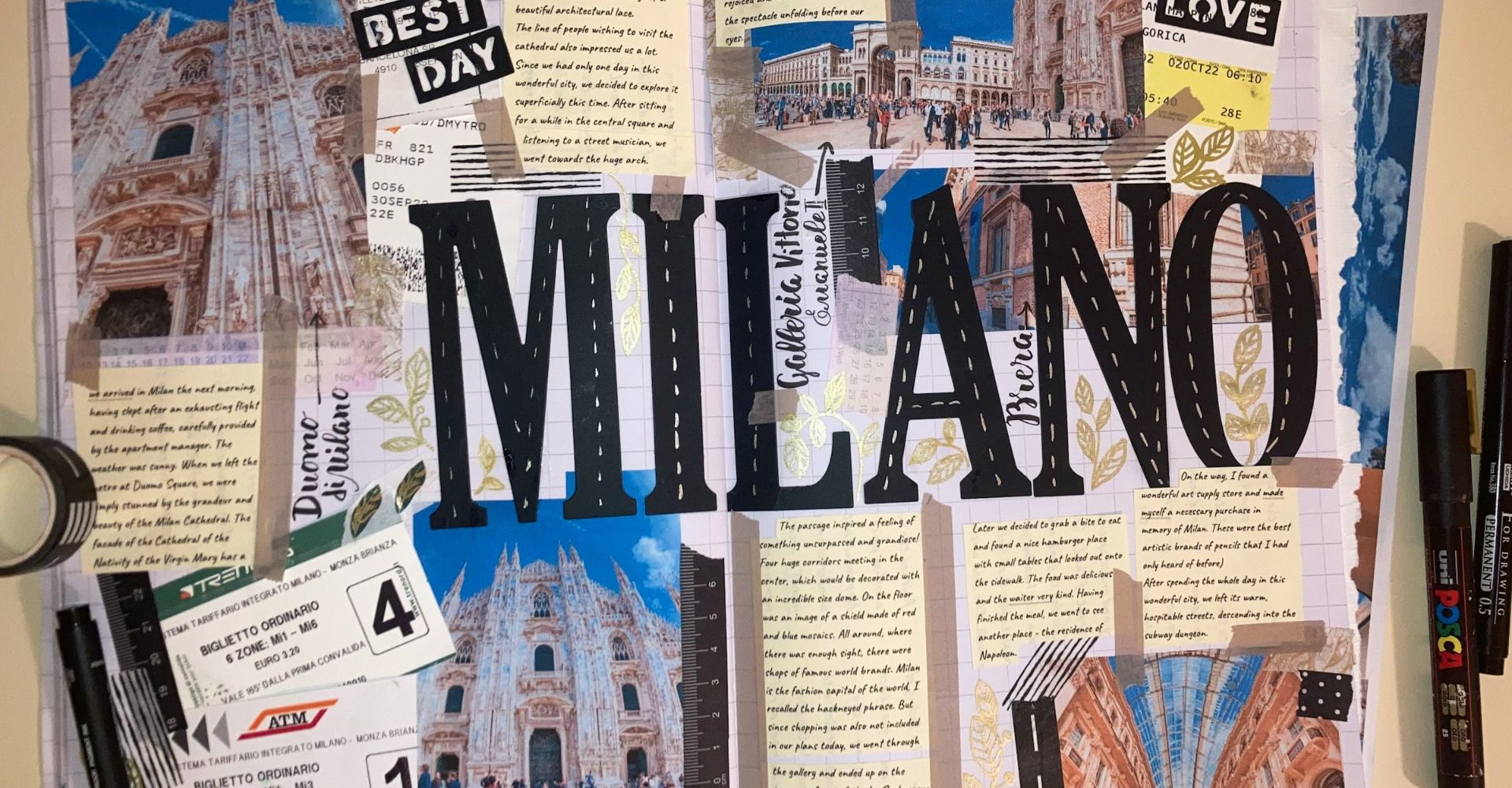
The flight from New York to Milan is roughly nine hours. From Los Angeles, closer to twelve. You land at Malpensa in the morning — usually between seven and ten — having either slept badly on the plane or not at all, with a time difference of six to nine hours sitting in your body like an unresolved question. The city outside the terminal windows is already fully operational: espresso bars busy, commuters moving, Milan doing what Milan does at nine in the morning.
How you navigate the next eighteen hours — the arrival, the transfer, the first interaction with the apartment, the decision about whether to sleep or push through — will determine, more than almost anything else, how the first two or three days of the trip feel. This is not a minor logistical footnote. For American visitors travelling to Milan for the first time, it is the opening chapter.
The time zone gap and why the accommodation decision is part of the jet lag strategy
Six hours ahead of New York, nine ahead of Los Angeles. The arithmetic is simple; the physical reality is less so. The standard advice — stay awake until local bedtime on the day of arrival, get outside in natural light, avoid long naps — is correct as far as it goes, but it assumes an environment that supports it.
A well-located apartment in central Milan is a more effective jet lag tool than it might appear. Arriving somewhere with a kitchen means eating on a schedule that suits the body’s adjustment rather than the hotel’s breakfast service. Having a proper bed available from early afternoon — for the short, strategic nap that smooths the transition without derailing the night — is an option that a hotel with a three-pm check-in systematically removes.
The ability to step outside directly into a neighbourhood with cafés, markets and streets worth walking is what keeps the body moving and the brain engaged during the critical first afternoon. Milan Retreats offers flexible check-in arrangements across its central properties, which matters considerably for guests arriving from transatlantic flights at unpredictable hours.
Malpensa to the city: the first decision that sets the tone
Most direct flights from the United States land at Milano Malpensa, which sits approximately fifty kilometres northwest of the city centre. Three transfer options cover the majority of arrivals. The Malpensa Express train connects the airport to Milano Cadorna in forty-three minutes and to Milano Centrale via a second service — frequent, reliable, and considerably cheaper than a taxi.
A private transfer, pre-booked through a service like the one Milan Retreats can arrange for guests, removes all navigation and removes the need to manage luggage on public transport after a long-haul flight — a meaningful advantage when the cognitive reserves are already depleted. Taxis from the official rank are metered and legitimate but expensive over that distance.
For most American visitors arriving with standard luggage and no particular time pressure, the Malpensa Express is the rational choice; for those arriving late at night, with children, or simply unwilling to add a further navigation challenge to an already long travel day, a pre-booked private transfer is worth every euro of the difference.
First impressions of Milan and why the neighbourhood matters from day one
American visitors to Milan frequently describe the same experience: the city is not what they expected, and what it actually is takes a day or two to come into focus. Rome announces itself immediately and dramatically. Venice is a postcard that turns out to be real. Milan requires more time, more walking, more willingness to turn off the main road and see what is behind it. The neighbourhood where the apartment is located significantly shapes how quickly that process happens.
Brera tends to produce immediate, instinctive affection — the pedestrianised streets, the art galleries, the sense of a neighbourhood that has been doing this for centuries without needing to perform it. Navigli surprises visitors who expected a city without visible water, offering a canal-side atmosphere that has no obvious American equivalent and rewards an evening walk on the first day.
Porta Venezia gives a more residential, less tourist-facing version of central Milan that experienced travellers tend to appreciate and first-timers often discover they prefer. Each of these areas is covered by Milan Retreats apartments, and each offers a different but equally valid entry point into the city.
Practical realities for American visitors staying in a Milan apartment
A handful of practical differences between the United States and Italy are worth knowing before arrival rather than discovering in the apartment. Electrical outlets are different — a universal travel adapter is essential and easily forgotten. Italian coffee culture operates on its own logic: the cappuccino is a morning drink, the espresso is for any hour, and the American-style drip coffee that many US visitors drink by the litre is available but not the default.
The apartment will have a stovetop espresso maker or a Nespresso machine, which covers most scenarios adequately. Tipping is not structurally embedded in Italian service culture the way it is in the United States — a small gesture at a restaurant is appreciated but not expected, and no one will be offended by its absence.
Grocery shopping in the neighbourhood around the apartment — whether that is a supermarket near Repubblica or a local market in Porta Venezia — is both cheaper and more satisfying than eating every meal at a restaurant, and is one of the small habits that shifts a trip from tourist to something more like temporary resident.
What American travellers consistently get right on a second visit
There is a pattern among American guests who return to Milan after a first trip: they book the apartment earlier, they choose a neighbourhood rather than just a city, and they build in more unstructured time. The first visit often carries the weight of a checklist — the Duomo, the Last Supper, the shopping street, the aperitivo. The second visit tends to involve more walking, more sitting in a specific café because it has become a habit, more comfort with the city’s rhythms.
A short-term apartment rental in central Milan accelerates this transition even on a first trip, because living in a neighbourhood rather than occupying a hotel room changes the relationship with the city from observation to participation. Milan Retreats would rather guests leave feeling they need to come back than feeling they have ticked every box. The apartment makes that more likely.